

Peloton Bike & Bike+ Care and Maintenance Guide
Regular care and maintenance can help keep your Peloton Bike or Bike+ clean, reliable and comfortable to use. Simple checks and cleaning can also help identify signs of wear before they develop into more serious problems.
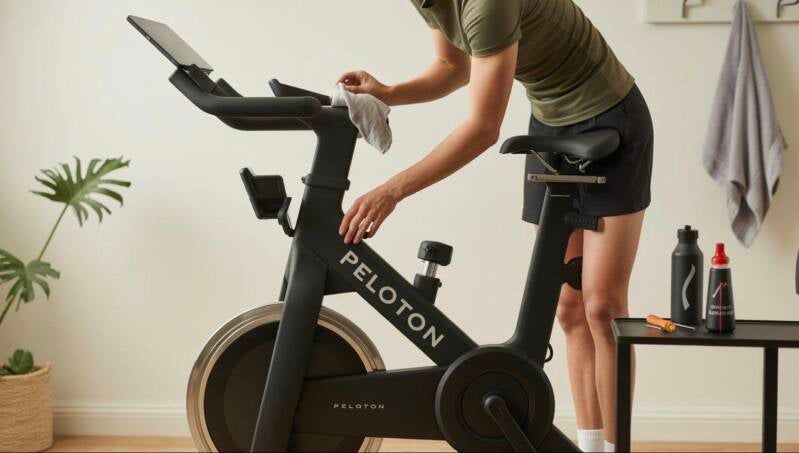
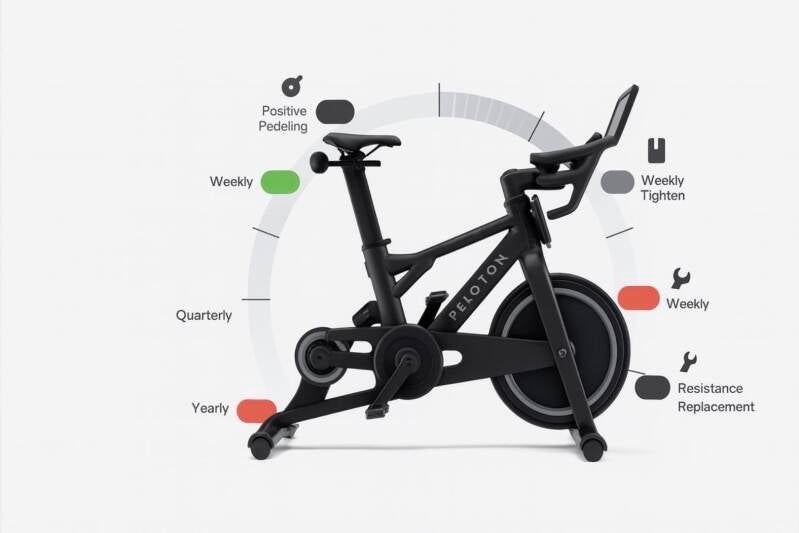


Regular maintenance helps protect your Peloton Bike from excessive wear, dirt, sweat and corrosion. Checking the bike regularly can also help identify unusual noises, loose components, resistance problems or other issues that may require attention.
Cleaning Your Peloton Bike
Even with daily cleaning, your Bike or Bike+ can still accumulate dirt and grime. It’s important to clean your bike more thoroughly about once a month, or every 20-30 rides.
- Dampen a soft, clean cloth with a mild, diluted dish detergent. The cloth should be moist, but not sopping wet. Excess liquids could work their way into the bike and cause rust.
Note: Avoid using solvents and other chemicals on your bike. If you wouldn’t want to touch it without gloves on, don’t use it on your equipment.
- Wipe down your bike. As with your daily cleaning, focus on areas in the “sweat path”: the stabilizers, crank arms, and areas of the frame between the saddle and handlebars. Pay special attention to weld lines, surfaces where sweat droplets could land, the area around the belt guard, and any other nooks and crannies you can find. You may even want to use a tool with a small head, like a cotton swab or a pencil wrapped in a microfiber cloth, to reach into narrow corners and crevices on your bike.
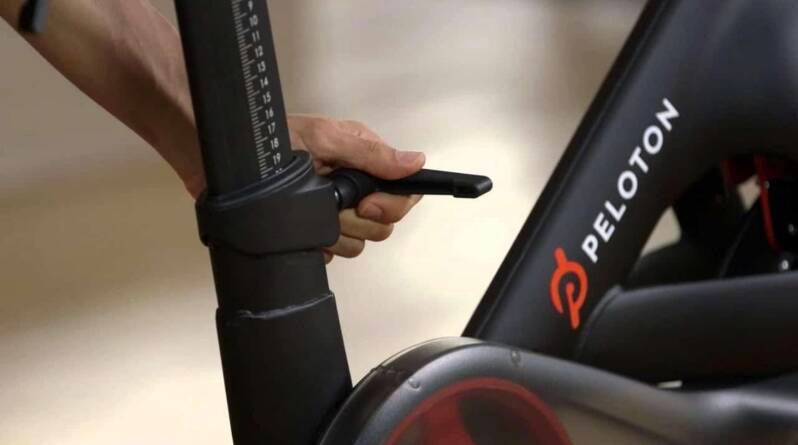
- Wipe down high-touch areas like the resistance knob, adjustment handles, handlebars, and underneath the saddle. Even if you don’t see any sweat, dirt and moisture from your hands can cause damage over time.
- Make sure the bike dries completely. If needed, wipe it down with another clean, dry, soft cloth to absorb any excess moisture. Take special care with screws, exposed metal, and openings in the bike. Any remaining liquid could cause rust and corrosion.
- Wipe down the touchscreen using an electronic wipe.
Check Your Peloton Bike for Wear
Regularly inspect your Peloton Bike or Bike+ for signs of wear or damage. Check the pedals, crank arms, seat, handlebars and other moving or adjustable components.
If you notice unusual movement, noise, resistance problems or anything that does not feel normal when using the bike, it is worth having the equipment checked by a qualified gym equipment engineer.
Peloton Bike Pedals, Crank Arms & Resistance
The pedals, crank arms and resistance system are important components of your Peloton Bike. Regular visual checks can help identify loose components, excessive wear or other potential problems.
Do not continue using the equipment if a component appears damaged or unsafe.
When Should Your Peloton Bike Be Professionally Serviced?
Routine cleaning and basic checks can help maintain your Peloton, but professional servicing can identify mechanical and electrical issues that may not be obvious during normal use.
If your Peloton is making unusual noises, experiencing resistance problems or showing other performance issues, a professional inspection can help identify the cause.
Gym Service UK provides professional Peloton Bike, Bike+ and Peloton Tread servicing and repair for customers across the UK.
Peloton Bike Servicing Across the UK
Our experienced gym equipment engineers provide on-site Peloton servicing and repair for homes, businesses, gyms and other facilities.
If your Peloton requires professional attention, you can find out more about our Peloton Gym Equipment Repair & Servicing or book a Peloton service with Gym Service UK.